Locations
185 Results
-
Hotel & Bungalowpark de Zeven Heuvelen
Hotel & Bungalowpark de Zeven Heuvelen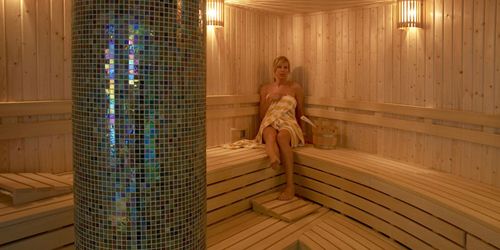
De Zeven Heuvelen ('The Seven Hills') Hotel & Bungalow Park is located amongst the beautiful...
GROESBEEK
Tourist Information pillar -
De Lindenberg
De Lindenberg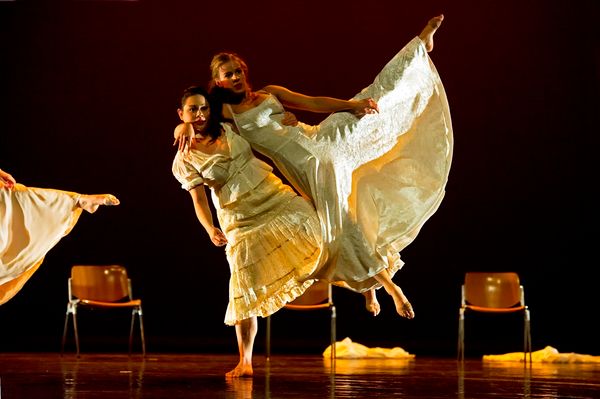
De Lindenberg is thé Arts Centre in Nijmegen. Besides art courses De Lindenberg hosts a wide rang...
Nijmegen
Cultural organizations -
Hotel Courage Waalkade
Hotel Courage Waalkade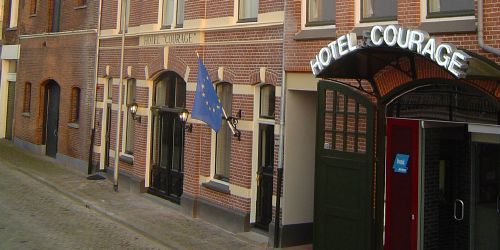
Set in the heart of historic Nijmegen within a stone’s throw from the shopping and entertainment...
NIJMEGEN
Hotel -
Recreatieboerderij Nederrijkswald
Recreatieboerderij Nederrijkswald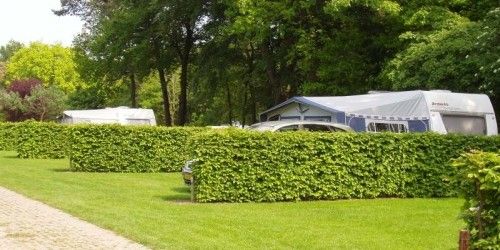
Situated in quiet woodland surroundings and lovely rolling countryside near 'Nederrijk' country e...
BERG EN DAL
Camp ground -
Little Canada
Little CanadaLittle Canada
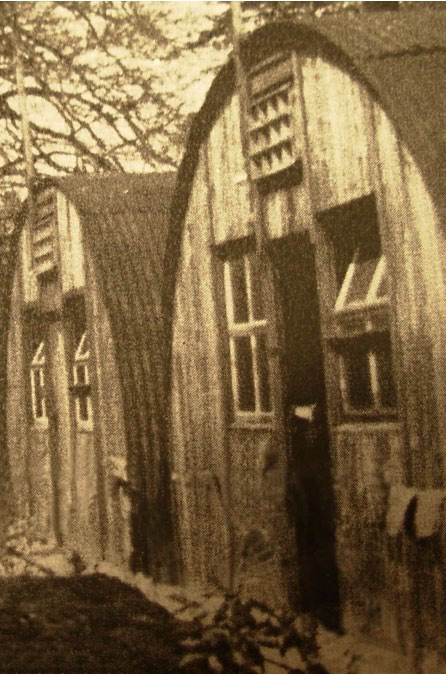
In September 1944, the war was raging through Gelderland. The Allied forces were stationed there between October 1944 and February 1945, sleeping in barracks such as those shown in the picture. When the Allied forces advanced into Germany, they left a number of these barracks behind. Tens of thousands of civilians were forced to flee because of the war. Wijchen – then home to 8,000 inhabitants and a safe haven amidst the violence – had to accommodate 6,000 displaced people in a short space of time. After the liberation, the housing shortage remained unacceptably high and the council took over a collection of Allied huts. People came to live in these eleven huts and barracks, without electricity or plumbing; water was pumped by hand. The complex soon came to be known as ‘Little Canada’. In 1955, the last resident left and the complex was demolished.
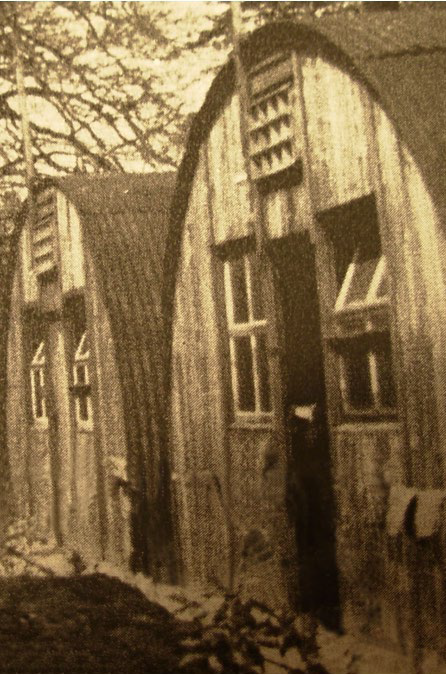
In September 1944, the war was raging through Gelderland. Between October 1944 and February 1945,...
Wijchen
Routemedia -
-
De Buitenpoort Huissen
De Buitenpoort Huissen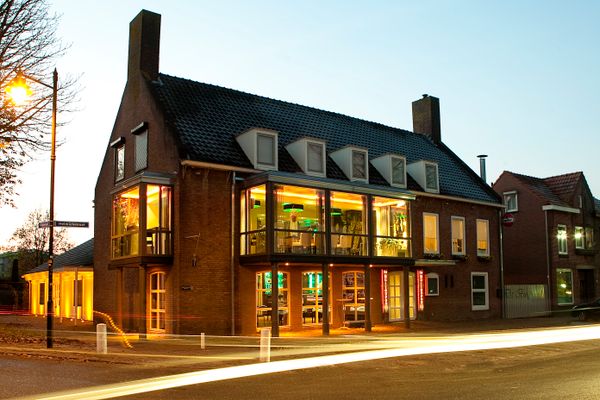
The Buitenpoort is a multifunctional and stylish hospitality company in the heart of Huissen, bet...
Huissen
Horeca -
Former home of Mayor Luske
Former home of Mayor LuskeFormer home of Mayor Luske
Jacques J.C.M. Luske was the mayor of Bergharen during the Second World War. Luske regularly protested against the German authorities and actively helped to protect people in hiding. During a raid, a number of people in hiding were arrested; after being tortured, they admitted that Luske had helped them go into hiding. On 6 March 1944, Luske was arrested by the Germans. He was eventually sent to Neuengamme concentration camp near Hamburg, where he died on 27 December 1944. Luske was 43 years old.
Jacques J.C.M. Luske was the mayor of Bergharen during the Second World War. Luske regularly prot...
Bergharen
Routemedia -
De Pelgrim
De Pelgrim
Enjoy life together. Embark on an adventurous journey with your friends at de Pelgrim. Travel th...
Nijmegen
Restaurant -
LiberationTour
LiberationTour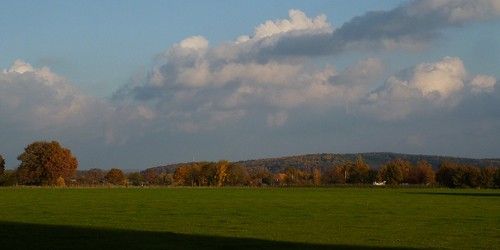
In lovely Groesbeek, a stone’s throw from Nijmegen, Liberation Tour hosts a liberation-themed tou...
GROESBEEK
Sight -
Lange Hezelstraat (Nijmegen)
Lange Hezelstraat (Nijmegen)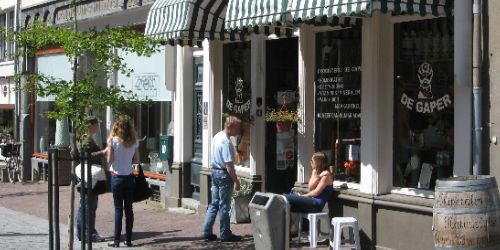
De Lange Hezelstraat, the oldest shopping street in the Netherlands, is home to a wide selection...
NIJMEGEN
Shopping mall -
Rijndijk and Engineers Monument: the crossing of the Rhine
Rijndijk and Engineers Monument: the crossing of the Rhine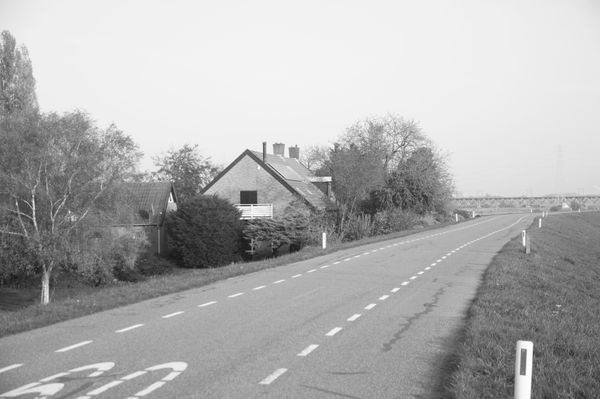
This location - situated opposite the village of Oosterbeek - played an important role in both th...
Driel
Sight -
Kronenburgerpark
Kronenburgerpark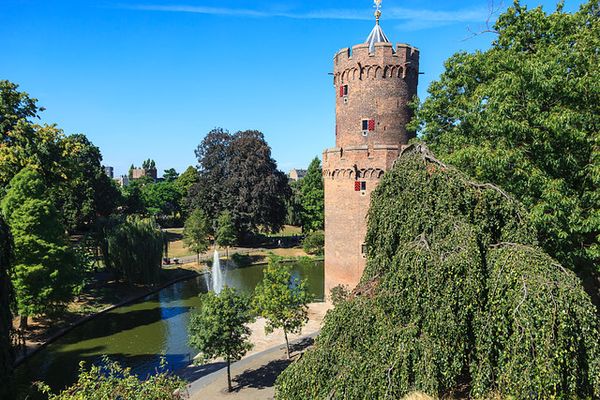
Kronenburgerpark has more than 150 different tree species and the differences in height make the...
Nijmegen
Park/Garden -
Café In de Blaauwe Hand
Café In de Blaauwe Hand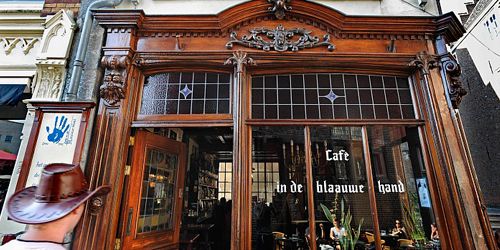
This is the oldest café in Nijmegen. Situated in the heart of the city and with a historic ambian...
NIJMEGEN
Café or Bar -
Campsite Op den Stuwwal
Campsite Op den Stuwwal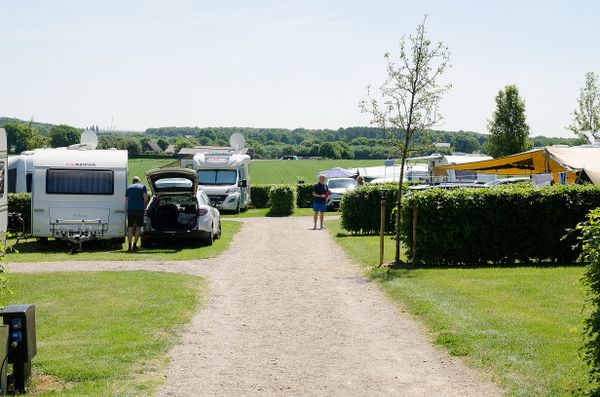
Campsite Op den Stuwwal is located in the tranquil countryside of Groesbeek. Groesbeek and its su...
GROESBEEK
Camp ground -
The Roman Catholic parish house set up as a medical post
The Roman Catholic parish house set up as a medical post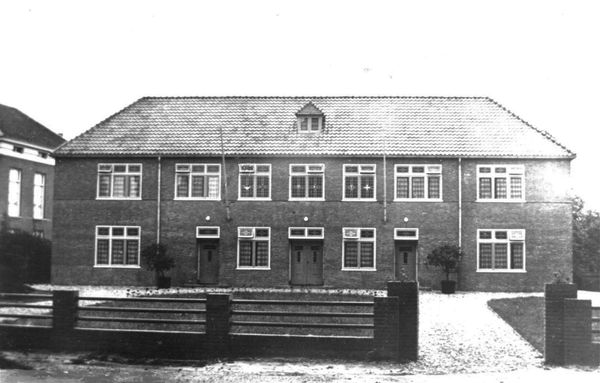
At the beginning of the Battle of Arnhem, under the leadership of the local female doctor, Dr. A....
Driel
Sight -
Betuwe Express
Betuwe Express
Would you like to get away from it all for one or more days? The 60 luxury touring cars, seating...
HERVELD
Bus -
Wijchen Peace Monument
Wijchen Peace MonumentWijchen Peace Monument
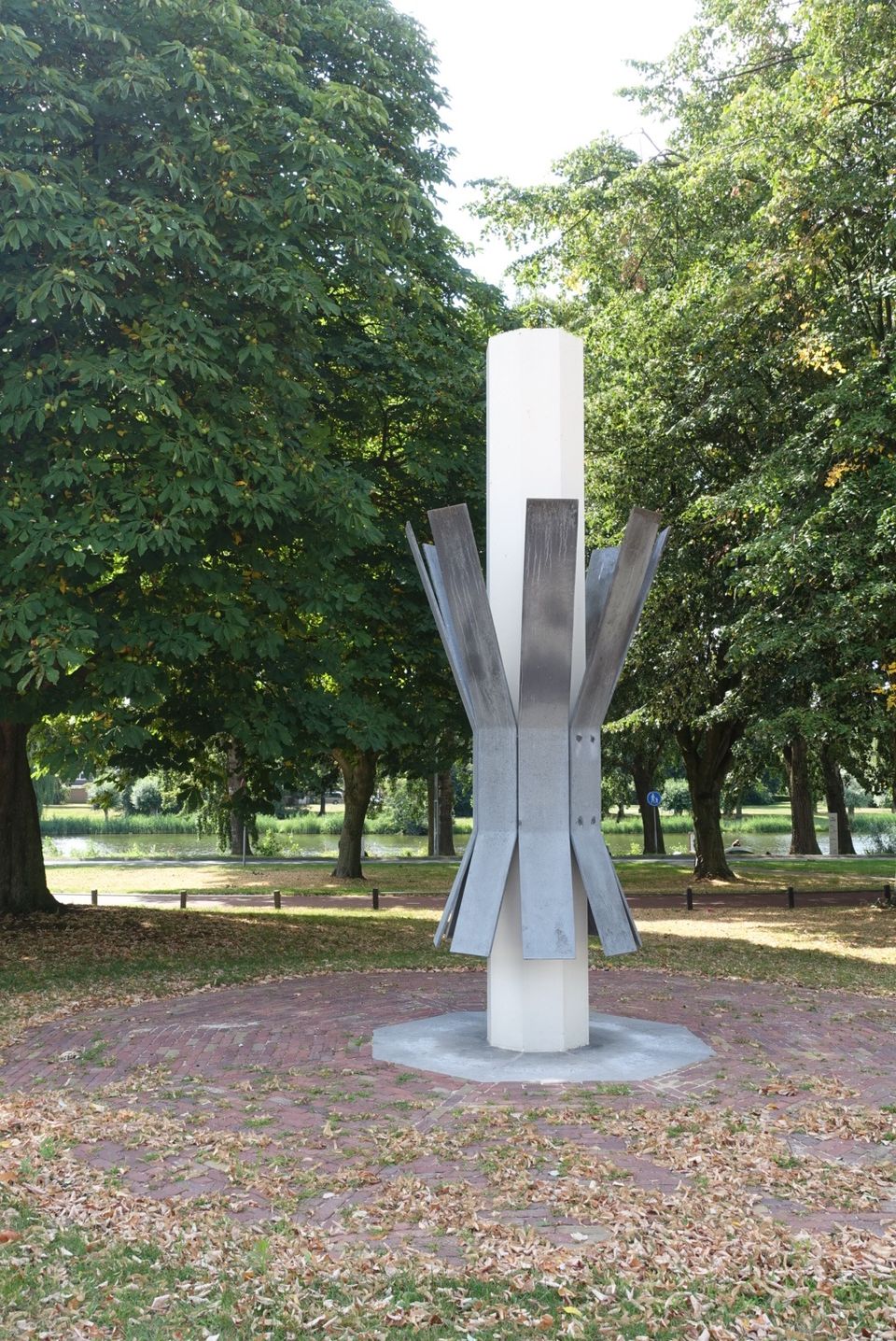
‘To all those who gave their lives for peace, wherever in the world.’ This is the inscription on this monument, which commemorates the suffering caused by all wars. The monument was designed by Henk Scheffer, a resident of Wijchen, to mark the 40th anniversary of Wijchen’s liberation. On Saturday 8 September 1984, the Queen’s Commissioner for Gelderland, Mr De Bruijne, came to Wijchen to unveil the memorial. Commemorative events are held at the monument, including the commemoration of the liberation of Wijchen and the surrounding area on 17 September. The monument is also intended as a warning against the rise of fascism and racism. The white concrete column symbolises ‘good’. The shields, made of hot-dip galvanised steel, symbolise evil. Evil attempts to penetrate good, seeking to destroy it, but is repelled because good ultimately has greater strength.
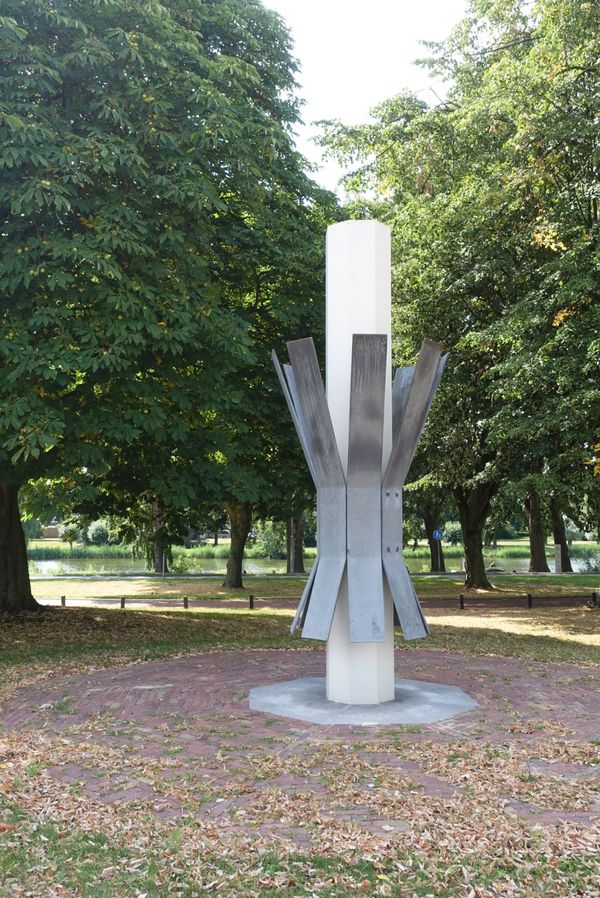
‘To all those who gave their lives for peace, wherever in the world.’ These are the words inscrib...
Wijchen
Routemedia -
-
Wijchen Mill
Wijchen Mill
The mill played a very important role in protecting the people of Wijchen and those in hiding. Mi...
Wijchen
Mill or Pumping station -
The emergency hospital in the school - Operating dressed in flak jackets
The emergency hospital in the school - Operating dressed in flak jackets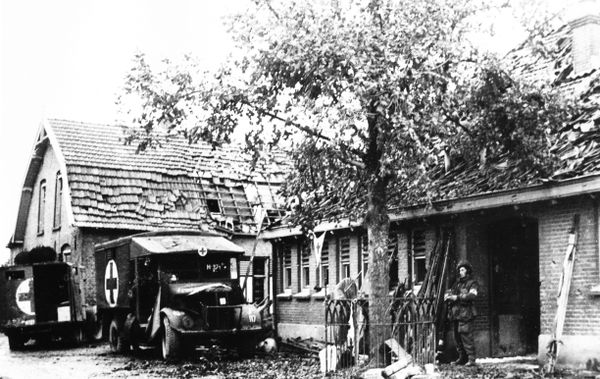
The medical company of the Polish paratrooper brigade chose the Roman Catholic primary school as...
Driel
Historic mansion -
Molenstraat (Nijmegen)
Molenstraat (Nijmegen)
Molenstraat in Nijmegen town centre offers numerous possibilities, with plenty of things to see a...
NIJMEGEN
Shopping area -
Hotel Blue
Hotel Blue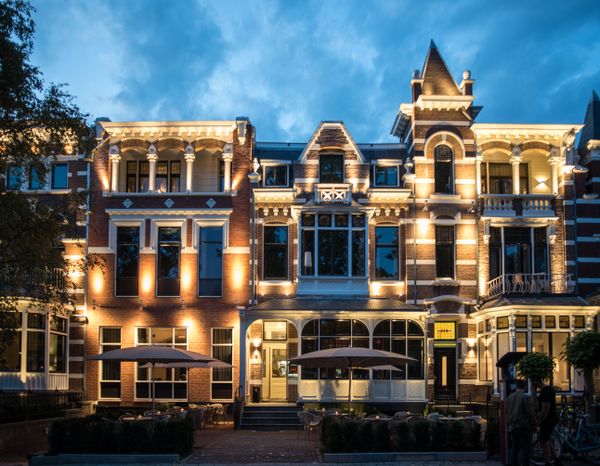
Hotel Blue in Nijmegen is perfect for those who like to feel right at home. Here you have everyth...
NIJMEGEN
Restaurant -
German positions behind the railway embankment take Polish troops under fire.
German positions behind the railway embankment take Polish troops under fire.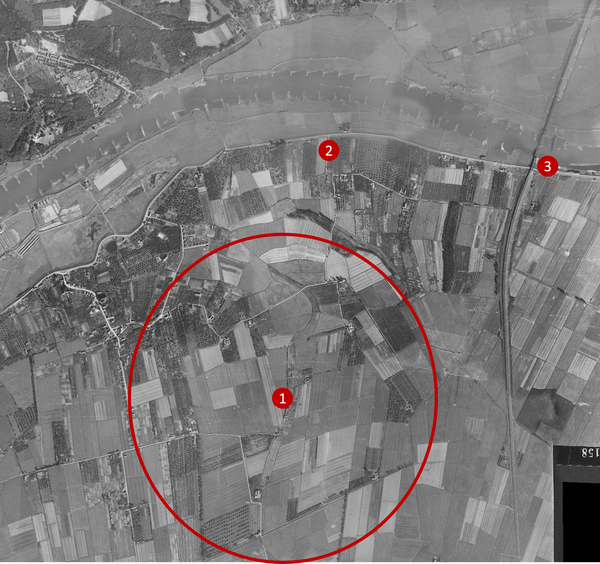
After the landing of the Polish paratroopers, the German commander quickly sent in troops from th...
Driel
Sight -
LUX Nijmegen
LUX Nijmegen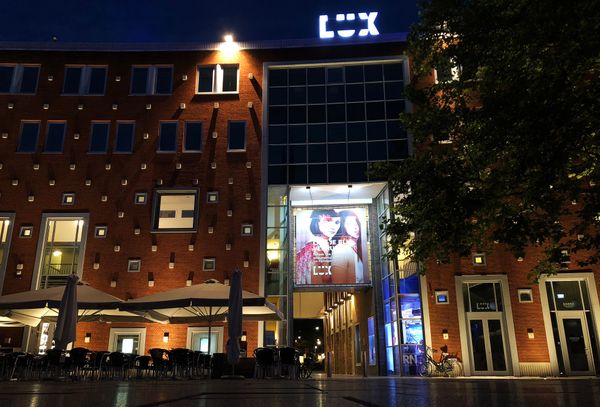
LUX: the largest art-house cinema in the Netherlands with a diverse and interesting programme. Ni...
Nijmegen
Restaurant -
Hotel Restaurant MANNA
Hotel Restaurant MANNA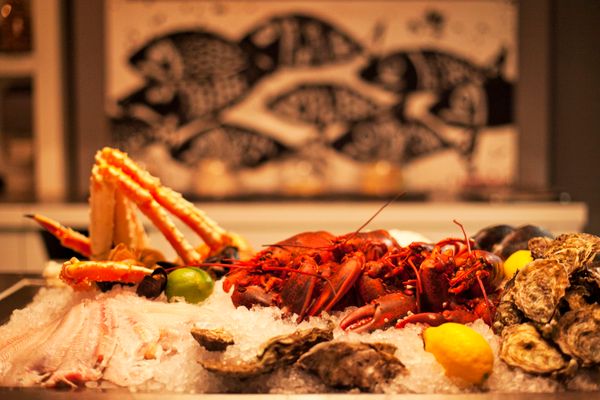
MANNA is a hotel and global food & fish restaurant located in Nijmegen city centre. MANNA earned...
NIJMEGEN
Restaurant