Locations
185 Results
-
Koningsplein Nijmegen
Koningsplein Nijmegen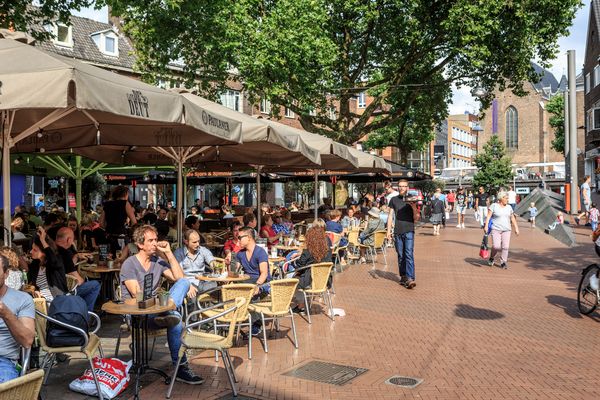
Koningsplein is a pleasant location in the center of Nijmegen, its wealth of shops amongst the ou...
Nijmegen
Entertainment center -
De Buitenpoort Huissen
De Buitenpoort Huissen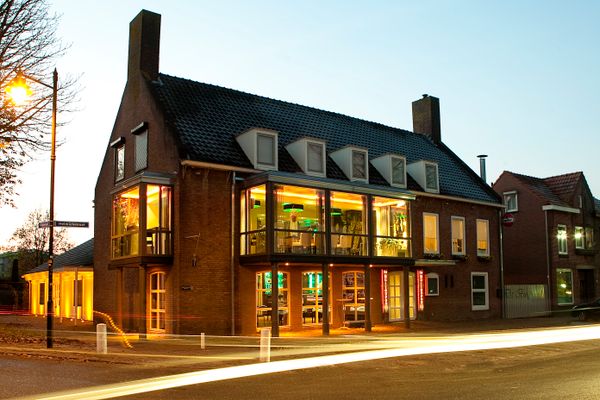
The Buitenpoort is a multifunctional and stylish hospitality company in the heart of Huissen, bet...
Huissen
Horeca -
Stichting van Steen en Natuur
Stichting van Steen en Natuur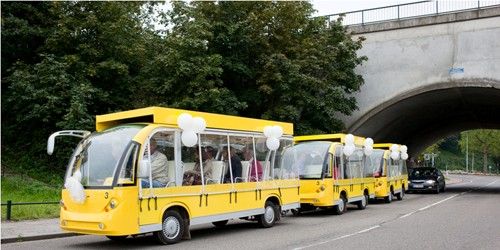
Stichting van Steen en Natuur – the Brick and Nature Foundation – focuses on the preservation of...
OOIJ
Sight -
Recreatiegebied De Gouden Ham
Recreatiegebied De Gouden Ham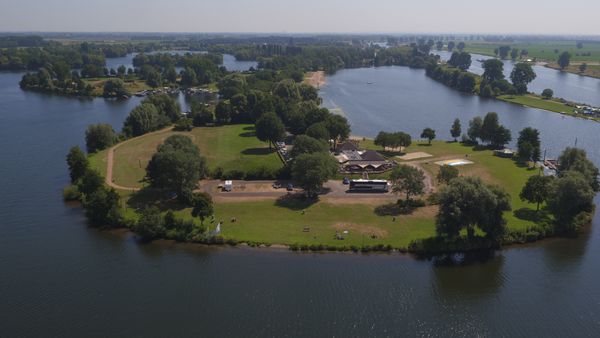
The Gouden Ham is located between the villages of Appeltern and Maasbommel. The area is largely w...
Appeltern
Recreation area -
Speeltuin De Blije Dries
Speeltuin De Blije Dries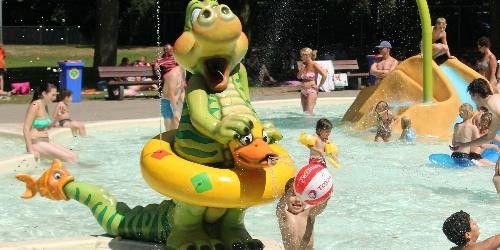
Including a restaurant and patio that were revamped in 2016! Fun at the playground for the whole...
WIJCHEN
Play garden -
Fighting around the Dorpstraat on the southern side of Driel
Fighting around the Dorpstraat on the southern side of Driel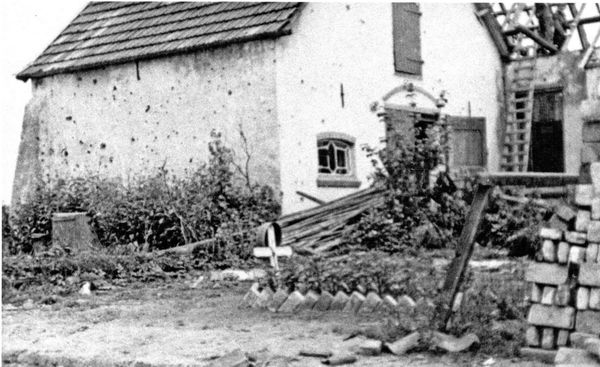
At the T-junction of Dorpstraat-Honingveldsestraat, the Polish troops had taken up positions. Whe...
Driel
Sight -
Hotel & Bungalowpark de Zeven Heuvelen
Hotel & Bungalowpark de Zeven Heuvelen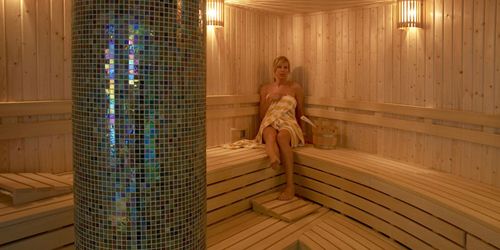
De Zeven Heuvelen ('The Seven Hills') Hotel & Bungalow Park is located amongst the beautiful...
GROESBEEK
Tourist Information pillar -
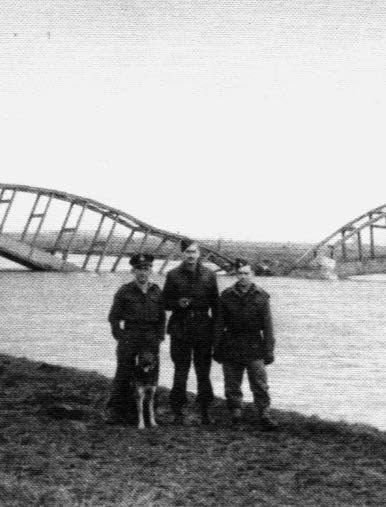
One Bridge Too Many
One Bridge Too ManyOne Bridge Too Many
Eight people lost their lives in Niftrik during the Second World War. One soldier was killed in action on the Grebbeberg during the May days of 1940. Seven people were killed in the bombing raid on 1 September 1944 near the railway bridge at Niftrik. Fifteen houses and the church were also set alight on the orders of the Dutch army, as the area had to be cleared of cover for the troops.
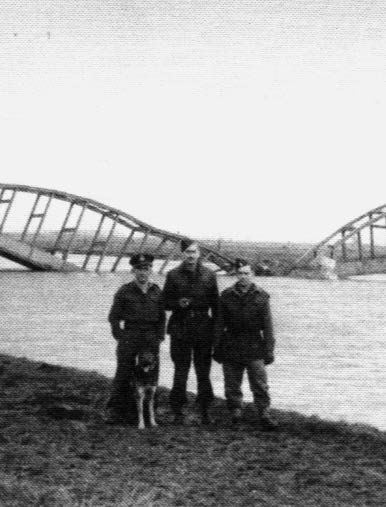
A war memorial near Niftrik
Niftrik
Routemedia -
-
Stranded aid: supplies do not reach the British troops in Oosterbeek.
Stranded aid: supplies do not reach the British troops in Oosterbeek.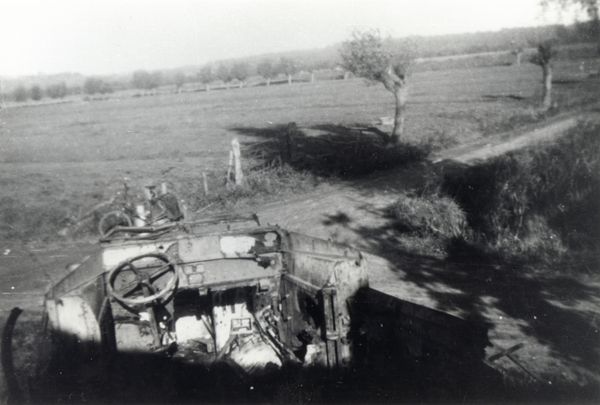
In the evening of Friday September 22nd 1944, parts of the allied ground army – coming from the s...
Driel
Sight -
Leurse hof
Leurse hof
During Operation Market Garden in 1944, the Heerlijkheid van Leur served as a resting place for t...
Leur
Sights -
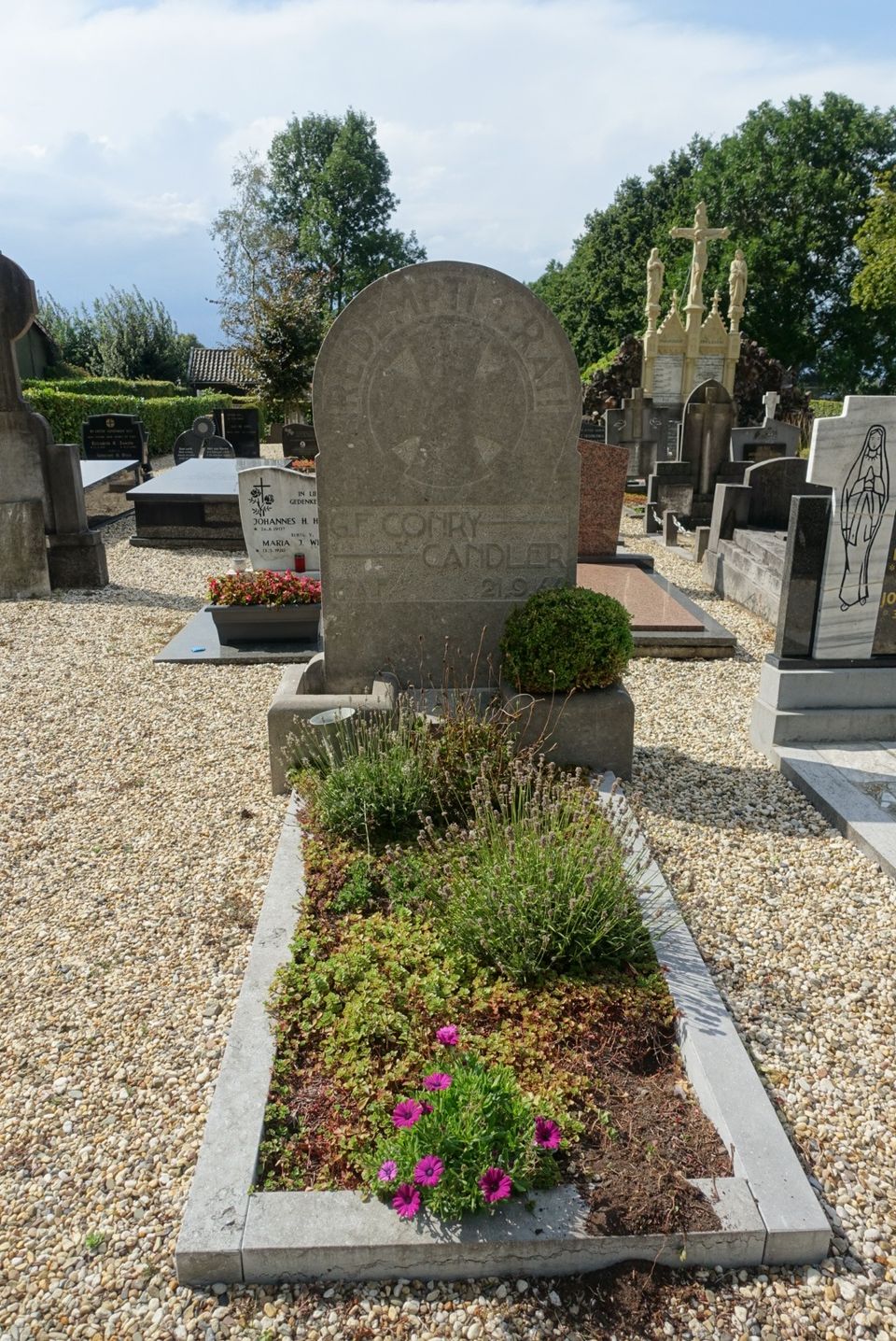
Conry Candler's Grave
Conry Candler's GraveConry Candler's Grave
Conry Candler is buried at the cemetery in Bergharen. He was killed when his aircraft, a ‘Short Stirling MK 4’, was shot down by a German fighter. As soon as you enter the cemetery through the gate, Conry Candler’s grave is the third on the left. Near the sculpture ‘Bijna Ramp’, you will pass the memorial made up of parts from the crashed aircraft.
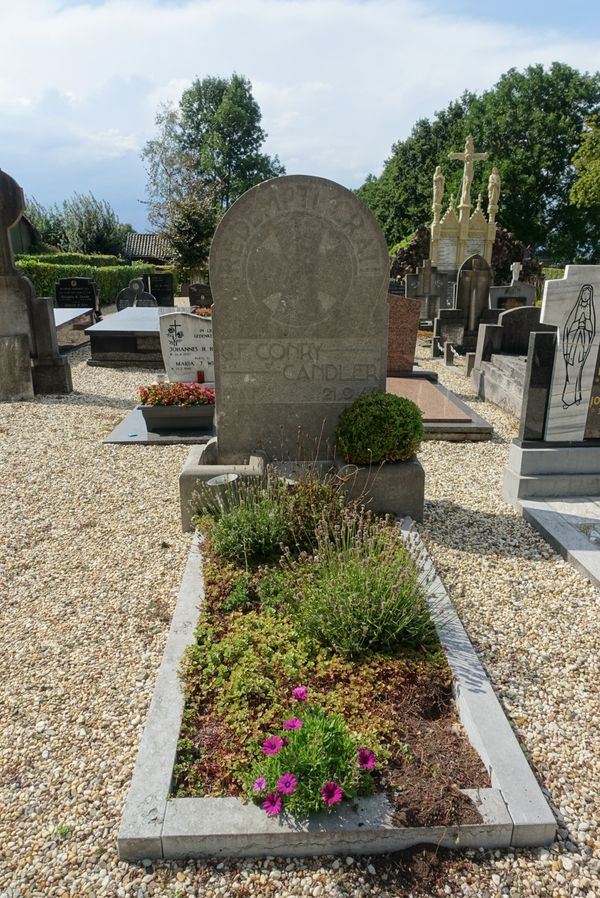
Conry Candler is buried in the cemetery in Bergharen. He was killed when his aircraft, a ‘Short S...
Batenburg
Routemedia -
-
Omnivents
Omnivents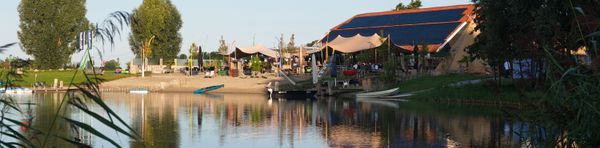
Omnivents organises sports and adventurous events.
VALBURG
Restaurant -
Kronenburgerpark
Kronenburgerpark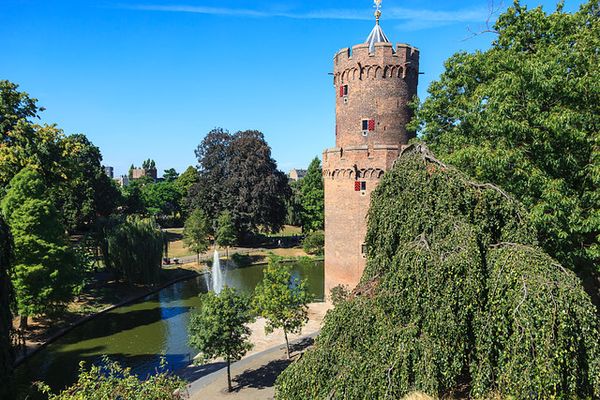
Kronenburgerpark has more than 150 different tree species and the differences in height make the...
Nijmegen
Park/Garden -
The Nevel: Poles take up positions around Driel
The Nevel: Poles take up positions around Driel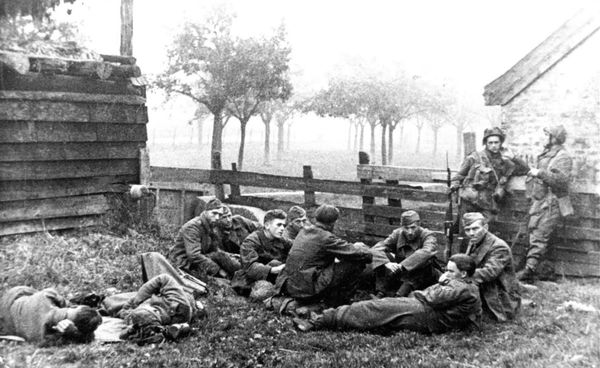
Because the Polish troops could not cross the Rhine on the first night, they took up positions ar...
Driel
Sight -
LUX Nijmegen
LUX Nijmegen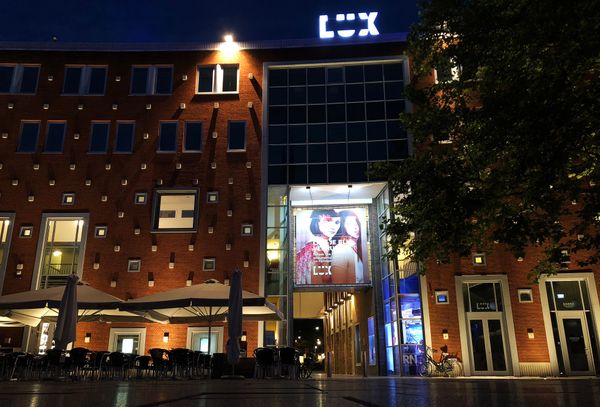
LUX: the largest art-house cinema in the Netherlands with a diverse and interesting programme. Ni...
Nijmegen
Restaurant -
Molenstraat (Nijmegen)
Molenstraat (Nijmegen)
Molenstraat in Nijmegen town centre offers numerous possibilities, with plenty of things to see a...
NIJMEGEN
Shopping area -
Park Lingezegen
Park Lingezegen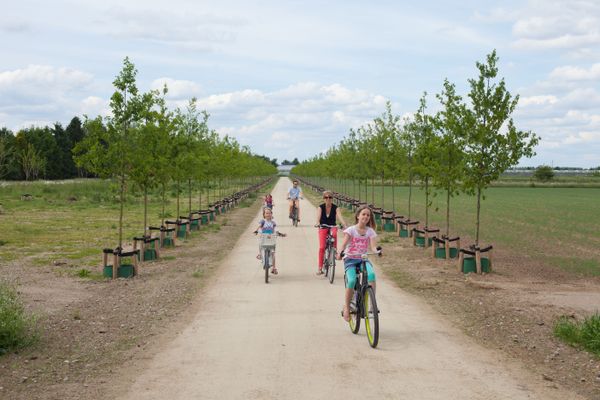
Whether you are an avid birdwatcher, want to go for a walk with the dog, love going for a bike ri...
ELST GLD
Park/Garden