Locations
185 Results
-
Hof van Hessen City Museum
Hof van Hessen City Museum
The museum is open from Tuesday to Sunday from 1.00 pm to 4.30 pm. It is also open by appointment...
HUISSEN
Museum -
Recreatiegebied De Gouden Ham
Recreatiegebied De Gouden Ham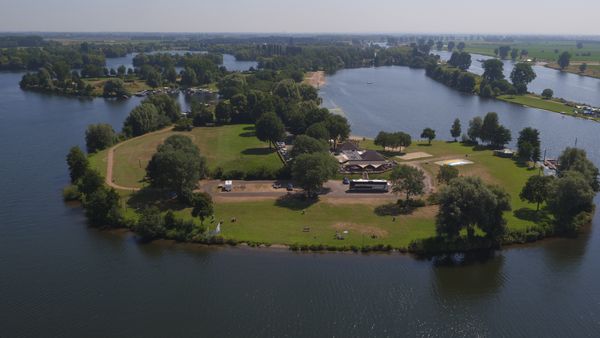
The Gouden Ham is located between the villages of Appeltern and Maasbommel. The area is largely w...
Appeltern
Recreation area -
IJssalon Passione
IJssalon Passione
For delectable ice cream and coffee specialities. We – Geert and Willeke – have been located in t...
Groesbeek
Ice-cream shop -
Blixem
Blixem
NIJMEGEN
Restaurant -
Café Restaurant De Vink
Café Restaurant De Vink
Our restaurant is located in a stunning spot in the Ooijpolder. It features two terraces where yo...
OOIJ
Restaurant -
Nijmegen - Mariken van Nieumeghen
Nijmegen - Mariken van Nieumeghen
Nijmegen
Art and Culture -
Immenhof Apiary
Immenhof Apiary
For a peaceful, atmospheric, informative and enjoyable stay, we offer an original and educational...
HEUMEN
Park/Garden -
Campsite de Oude Molen
Campsite de Oude Molen
In the beautiful wooded rolling landscape of Groesbeek, campsite De Oude Molen is located on the...
GROESBEEK
Camp ground -
Kronenburgerpark
Kronenburgerpark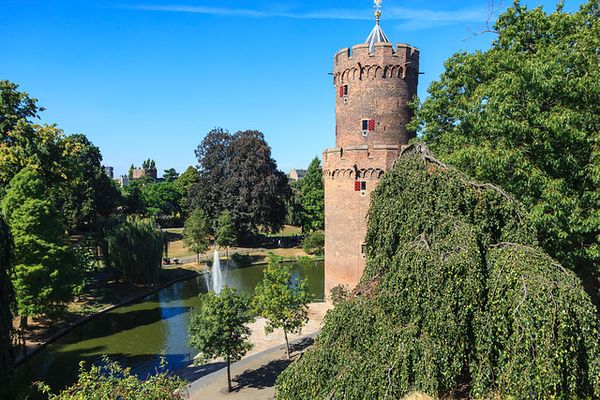
Kronenburgerpark has more than 150 different tree species and the differences in height make the...
Nijmegen
Park/Garden -
William Kalka
William KalkaWilliam Kalka
The monument to William Kalka tells the story of his tragic death. It symbolises the lives lost during the Second World War whilst fighting for freedom.
The monument to William Kalka tells the story of his tragic death. It symbolises the lives lost d...
Balgoij
Routemedia -
-
Cozy Bed & Breakfast
Cozy Bed & Breakfast
Cozy Bed & Breakfast is in the centre of Elst, only 10 minutes by car from Arnhem or Nijmegen...
Elst GLD
Bed and breakfast -
Former home of Mayor Luske
Former home of Mayor LuskeFormer home of Mayor Luske
Jacques J.C.M. Luske was the mayor of Bergharen during the Second World War. Luske regularly protested against the German authorities and actively helped to protect people in hiding. During a raid, a number of people in hiding were arrested; after being tortured, they admitted that Luske had helped them go into hiding. On 6 March 1944, Luske was arrested by the Germans. He was eventually sent to Neuengamme concentration camp near Hamburg, where he died on 27 December 1944. Luske was 43 years old.
Jacques J.C.M. Luske was the mayor of Bergharen during the Second World War. Luske regularly prot...
Bergharen
Routemedia -
The emergency hospital in the school - Operating dressed in flak jackets
The emergency hospital in the school - Operating dressed in flak jackets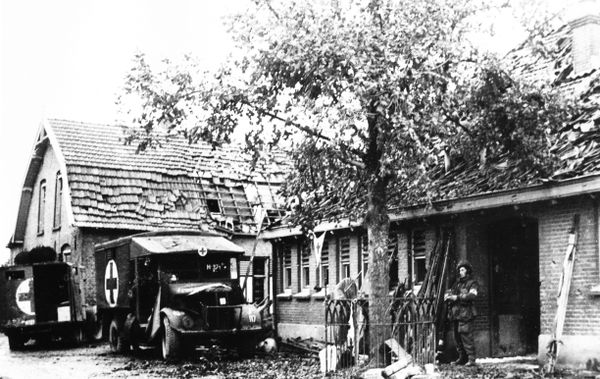
The medical company of the Polish paratrooper brigade chose the Roman Catholic primary school as...
Driel
Historic mansion -
Fighting around the Dorpstraat on the southern side of Driel
Fighting around the Dorpstraat on the southern side of Driel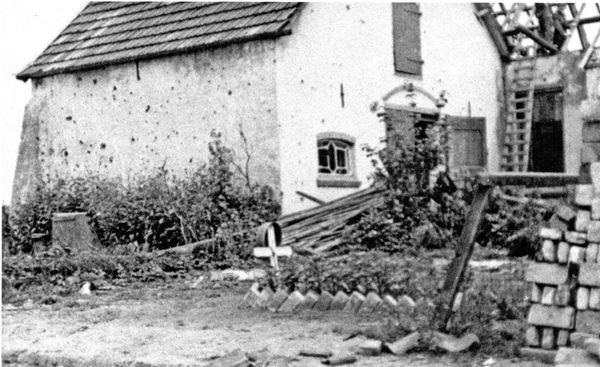
At the T-junction of Dorpstraat-Honingveldsestraat, the Polish troops had taken up positions. Whe...
Driel
Sight -
Audiospot: Josphine Baker performs!
Audiospot: Josphine Baker performs!
In October 1944, the world famous revue star, Josephine Baker, performed here in the Café van Lin...
Overasselt
Luisterplek -
Campsite De Grote Altena
Campsite De Grote Altena
Camping on one of the most beautiful and best-rated campsites in the Betuwe. Campsite De Grote Al...
OOSTERHOUT GLD
Camp ground -
Headquarters and bust of Major General Stanisław Sosabowski
Headquarters and bust of Major General Stanisław Sosabowski
The bust of Major General Stanisław Sosabowski looks out over his headquarters, at Molenstraat 12...
Driel
Sight -
The Catholic Church: from viewpoint to information centre
The Catholic Church: from viewpoint to information centre
On September 24th 1944, Lieutenant General Brian Horrocks, commander of the ground army, visited...
Driel
Sight -
Sous les Eglises
Sous les Eglises
Characteristic hotel in the heart of Beek, a village in the rural district of Ubbergen, home to m...
BEEK-UBBERGEN
Hotel -
Monument to Allied Soldiers, Wijchen
Monument to Allied Soldiers, WijchenMonument to Allied Soldiers, Wijchen
During the mobilisation of 1939–1940, Dutch conscripts were called up for the front. This monument at the Catholic Cemetery commemorates the residents of Wijchen who lost their lives on the Grebbeberg during the May days of 1940. Of the six names listed, at least five are buried at the Dutch Military Cemetery on the Grebbeberg. The grave location of one person, G.W. Kloosterman, is unknown. Both can be found at the cemetery in Wijchen, on the fourth path on the right.

During the mobilisation of 1939–1940, Dutch conscripts were called up to serve at the front. This...
Wijchen
Routemedia -
-
Wijchen Mill
Wijchen Mill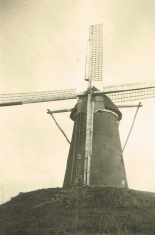
The mill played a very important role in protecting the people of Wijchen and those in hiding. Mi...
Wijchen
Mill or Pumping station -
Tienakker Convent
Tienakker ConventTienakker Convent
The British headquarters here in Wijchen was located in this old convent. The monument recounts the story of the Sisters of Tienakker, who had to deal with the German Wehrmacht, patients from the Sint Jozefgesticht and refugees from Nijmegen. From the end of September 1944, it then became the British headquarters. King George VI also paid a visit to boost the morale of the troops. At the front of the entrance to the Kloosterpark stands a monument providing further information. The convent is now privately owned.
The convent is now privately owned.

The British headquarters here in Wijchen was located in this old convent. The monument tells the...
Wijchen
Routemedia -
-
Leurse hof
Leurse hof
During Operation Market Garden in 1944, the Heerlijkheid van Leur served as a resting place for t...
Leur
Sights -
Old St Victor’s Church
Old St Victor’s ChurchOld St Victor’s Church
Ies and Miriam Spangenthal, a Jewish couple from Amsterdam, went into hiding in the Protestant St Victor’s Church in 1943 and 1944. The couple had fled Amsterdam and found shelter in this church in Batenburg. The church verger, Hendrik van de Bovenkamp, and his wife Hermina provided them with food and clean clothes. Ies and Miriam slept on the church pews. In case of emergency, they could take refuge in a hiding place beneath the church floor, which Hendrik had built. In October 1944, following the liberation of Batenburg, the Spangenthal couple left the church after a year and a half.

Ies and Miriam Spangenthal, a Jewish couple from Amsterdam, went into hiding in the Protestant St...
Batenburg
Routemedia -


